
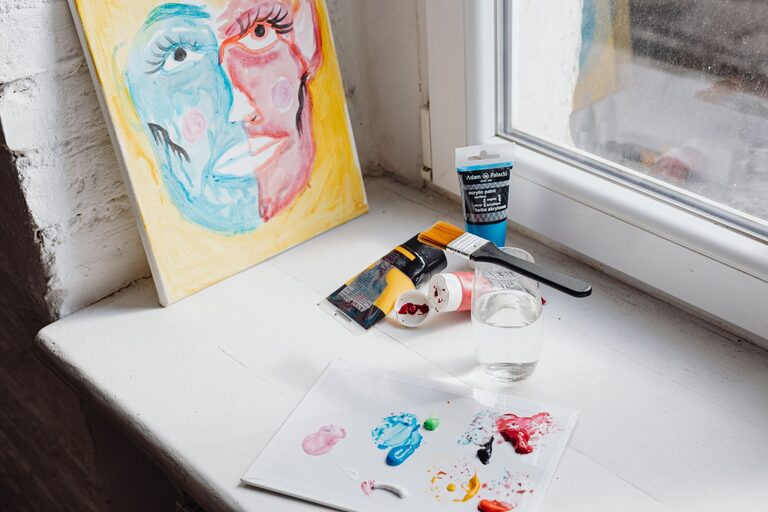
Creativity is often seen as a talent reserved for artists or writers. However, it’s a skill that anyone can develop and nurture every day. Practicing creativity consistently can improve problem-solving skills, reduce stress, and make life more enjoyable. The good news is that you don’t need special tools or extra time to get started. Here are simple ways to incorporate creativity into your daily routine.
Why Practice Creativity Daily?
Before diving into practical tips, it’s helpful to understand why daily creativity matters. Creativity isn’t just about art; it’s about thinking differently, finding new solutions, and expressing yourself uniquely. Regularly engaging in creative activities strengthens your brain’s ability to connect ideas and innovate. Plus, it’s a great way to boost confidence and deal with challenges more effectively.
Simple Habits to Spark Your Creativity
1. Keep a Creative Journal
Writing or sketching in a journal every day is a great way to capture your thoughts and ideas. It doesn’t have to be perfect or lengthy—just a few sentences or doodles can help. Use your journal to jot down interesting observations, ideas for projects, or even random thoughts. Over time, you’ll see patterns that can inspire new creative outlets.
2. Take Short Breaks to Daydream
Allowing your mind to wander can lead to unexpected creative insights. Schedule short breaks during your day—five to ten minutes—where you simply relax and let your thoughts flow freely. This mental downtime can encourage imagination and problem-solving.
3. Try a New Activity or Hobby
Stepping outside your usual routine exposes you to fresh ideas and perspectives. Trying a new activity—even something simple like cooking a new recipe, learning a few words in a foreign language, or experimenting with photography—can stimulate creative thinking and inspire you in other areas of life.
4. Set a Small Daily Challenge
Challenge yourself to complete a small creative task each day. For example, write a six-word story, take a photo of something blue around you, or create a quick sketch. These small goals build creative discipline and make creativity a natural part of your day.
5. Use Creative Prompts
Creative prompts are simple starters that encourage you to think differently. You can find prompts online or create your own. For example, write about a place you’ve never visited, invent a new invention, or describe an object using only sensory words. Prompts help you push past creative blocks.
Creating a Supportive Environment
Your environment plays a big role in nurturing creativity. Here are some ideas for setting up a space and mindset that fosters daily creativity.
Organize a Creative Space
Designate a corner or a small area for creative activities. Keep it tidy but filled with inspiring items like colorful notebooks, art supplies, or interesting objects. Having a dedicated space signals to your brain that it’s time to get creative.
Limit Distractions
Turn off notifications and minimize distractions during your creative time. Even a short period of focused attention can lead to meaningful creative breakthroughs.
Connect with Other Creative Minds
Engage with friends or communities who enjoy creative pursuits. Sharing your ideas and hearing others’ perspectives can spark new inspiration and motivation.
Using Technology to Help Creativity
Technology can be a valuable tool for daily creativity. Here’s how you can use it wisely:
– Creative Apps: Use drawing, writing, or brainstorming apps to capture ideas on the go.
– Online Courses and Tutorials: Explore mini-courses that teach new skills or techniques.
– Digital Inspiration Boards: Collect images, quotes, or music that inspire you in a digital format.
Remember to balance screen time with hands-on creative activities.
Overcoming Creative Blocks
It’s normal to face moments when creativity feels stuck. Here are quick tips to overcome those blocks:
– Change your environment by going outside or rearranging your workspace.
– Take a walk or do a physical activity to refresh your mind.
– Switch to a different creative task to give your brain a break.
– Practice mindfulness or breathing exercises to reduce stress.
Making Creativity a Lifelong Habit
The key to maintaining creativity is consistency, not perfection. Start with small steps, and celebrate your progress. Keep exploring different creative outlets and don’t be afraid to make mistakes. Over time, you’ll find that creativity becomes a joyful and natural part of your daily life.
—
Creativity is within everyone’s reach. By integrating simple habits into your routine, you can unlock new ways of thinking and expressing yourself. Whether it’s through journaling, taking breaks, trying new experiences, or setting small challenges, daily creativity enriches your life in countless ways. So, why not start today?
About the Author